
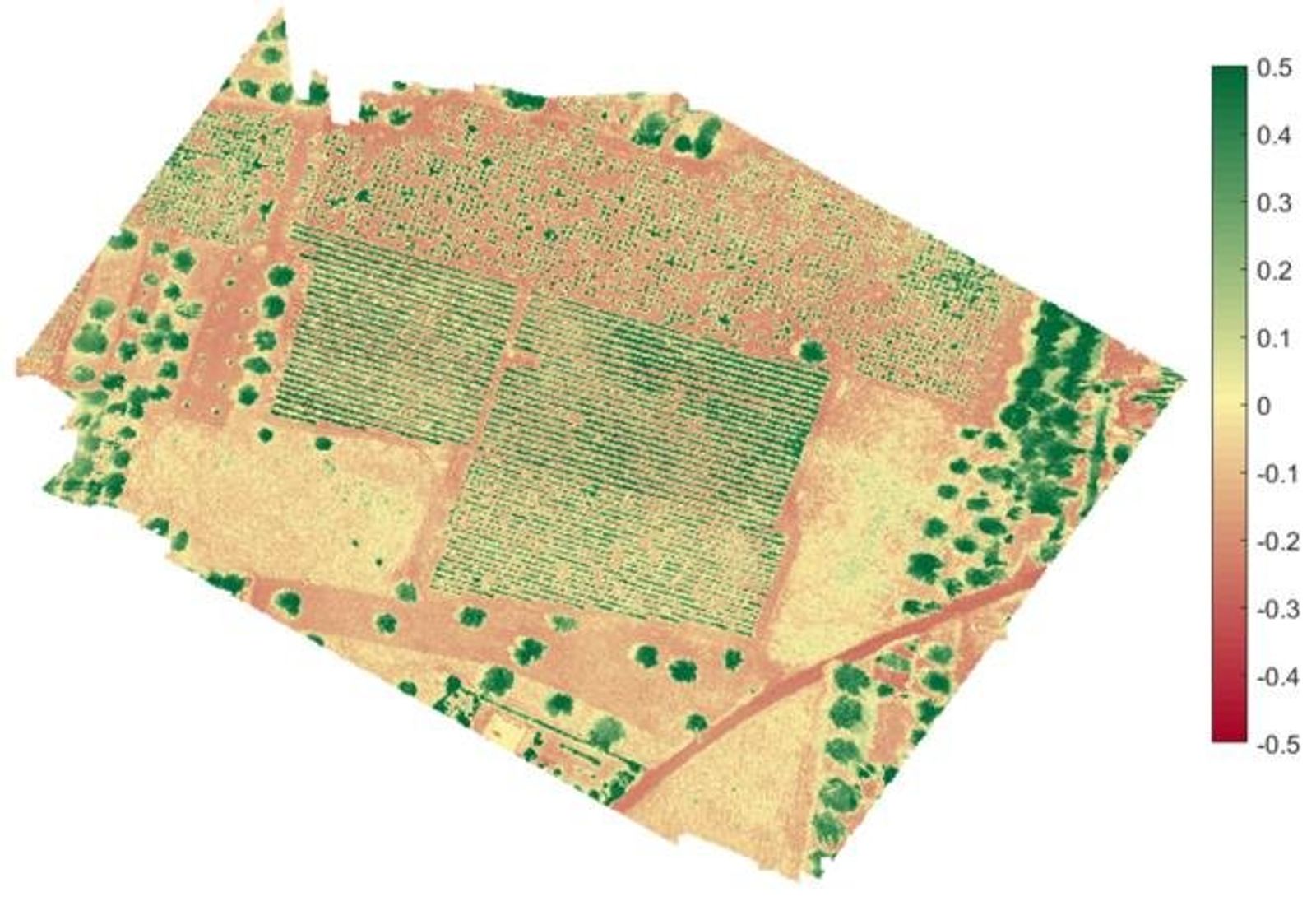
Over the past decade, vineyards have gained access to more data than ever before. Weather stations are cheaper and more reliable. Soil sensors can measure moisture and temperature at multiple depths. Drone flights and satellite imagery can reveal variation across entire blocks in a single pass.
Some growers use several of these tools. Others use none. Many have experimented and stepped back. Across all these groups, the outcome is often the same: very little of this information changes what happens in the field.
The problem is not a lack of data. It is a lack of prioritisation.
More data does not automatically mean better decisions
A common assumption in digital viticulture is that if you collect enough data, better decisions will follow. This sounds reasonable, but it is wrong. Vineyard management is not a data-analysis problem. It is a prioritisation problem. Time is limited. Labour is limited. Windows for action are narrow.
Most decisions are not about finding the perfect answer. They are about deciding what deserves attention now, what can wait, and what can safely be ignored. When information arrives without that framing, it adds cognitive load rather than reducing it – whether it comes from a dashboard, a report, or a conversation with a supplier.
Timing matters more than precision
One reason vineyard data fails to change decisions is timing.
Many tools provide accurate information, but at the wrong moment. A report arrives after a critical window has passed. A map highlights stress that is already visible on the ground. A risk model flags danger when plans are already set. In the vineyard, a rough signal at the right time is often more useful than a precise measurement delivered too late. Digital systems only earn trust when they align with the moments decisions are made.
Data without context creates uncertainty, not confidence
Another common failure is the lack of context.
A soil moisture trace shows a decline. Is that expected for this soil and rootstock? Seasonal? A problem, or simply normal drying?
The same applies to imagery. Variation across a block is common. Without historical reference or ground context, it is unclear whether variability is meaningful or benign.
Experienced growers already carry much of this understanding in their heads. When data is presented without reference to that knowledge, it raises questions rather than answering them. When uncertainty increases, reliance on instinct is not stubbornness – it is sensible.
When everything demands attention, nothing does
Many digital tools rely on thresholds, alerts, or risk indicators. In theory, this should help focus attention. In practice, it often does the opposite. Living systems vary constantly. Some stress, fluctuation, and risk is normal. When every deviation is treated as urgent, users quickly learn to ignore the signal altogether.
Effective triage is what’s missing. Not every signal deserves action. Some deserve observation. Some deserve planning. Some can safely be ignored. Decision support fails when it cannot help farmers to make these distinctions.
The gap between sensing and deciding
At the heart of the problem is a gap between sensing and deciding.
Many tools are very good at measuring conditions. Far fewer are good at helping users decide what to do next, or whether anything needs to be done at all.
Growers do not start their day asking for more data. They ask practical questions:
- Does this block need attention right now?
- Is this change meaningful, or expected?
- Where should I focus limited time and labour this week?
If a system cannot help to answer these questions, it will always sit on the periphery of real decision-making.
Experience is not the enemy of data
There is a persistent idea that data should replace experience. This is neither realistic nor desirable. Good growers notice patterns long before they appear in a system. They understand their sites in ways no generic model can.
The role of digital monitoring is not to override that judgement, but to protect it from blind spots – slow changes, subtle trends, or conditions that are hard to observe directly. At its best, data acts as a second set of eyes, not a set of instructions.
From information to attention
If vineyard data is to change decisions, the focus needs to shift from information to attention. Attention is the scarce resource. Effective systems respect that by filtering signals, adding context, and reducing noise – whether a grower is already using digital tools or considering them for the first time. This does not require automation or complex prescriptions. It requires clarity.
Simpler goals, better outcomes
Much of the disappointment around digital viticulture comes from inflated expectations. Promises of perfect foresight or automated decisions set the bar too high.
A more useful goal is simpler: help growers recognise when something deserves attention, when it doesn’t, and why. When systems succeed at this, they fit naturally into existing practice. They support vineyard walks rather than compete with them.
Protecting experience from blind spots
At its best, digital monitoring does not replace experience – it protects it.
It notices slow trends that unfold over weeks or months. It links what happens below the soil surface with what appears above the canopy. It confirms instincts and occasionally challenges them.
When data is framed this way, it stops being noise. It becomes quiet support, helping growers focus limited time and attention where it matters most.
In the next article in this series, we will look at how different sources of vineyard data – from ground-based measurements to aerial imagery – can work together to strengthen confidence rather than add complexity.
Conclusion
Digital monitoring will only change vineyard decisions when it respects how decisions are made. Growers do not need more numbers, more alerts, or more promises of precision. They need help deciding where to focus attention, when a change is meaningful, and when experience alone is enough. When data is framed as quiet support rather than constant instruction, it earns trust. Used well, it does not replace judgement – it strengthens it, protecting hard-won experience from blind spots and slow-moving risks. That is the standard digital tools must meet if they are to move from interesting information to something that genuinely shapes what happens in the vineyard.