
Digital tools are only valuable in vineyards when they lead to better decisions in the field. Not more dashboards. Not more alerts. Better decisions – earlier, calmer, and in proportion to the real level of risk.
That requires more than collecting data; it requires connecting different types of information in a deliberate sequence. Continuous sensor data reveals how pressure is building over time. Aerial imagery shows where that pressure may be expressing across the vineyard. Ground-truthing determines whether that pressure has crossed an economic threshold that justifies action.
Used together, these elements form a practical decision-support workflow. Used in isolation, they often create noise.
Time tells you when to look
Most agronomic pressure develops gradually. Soil moisture declines over weeks; disease risk accumulates through repeated periods of favourable conditions. Vine stress usually reflects sustained imbalance rather than a single event.
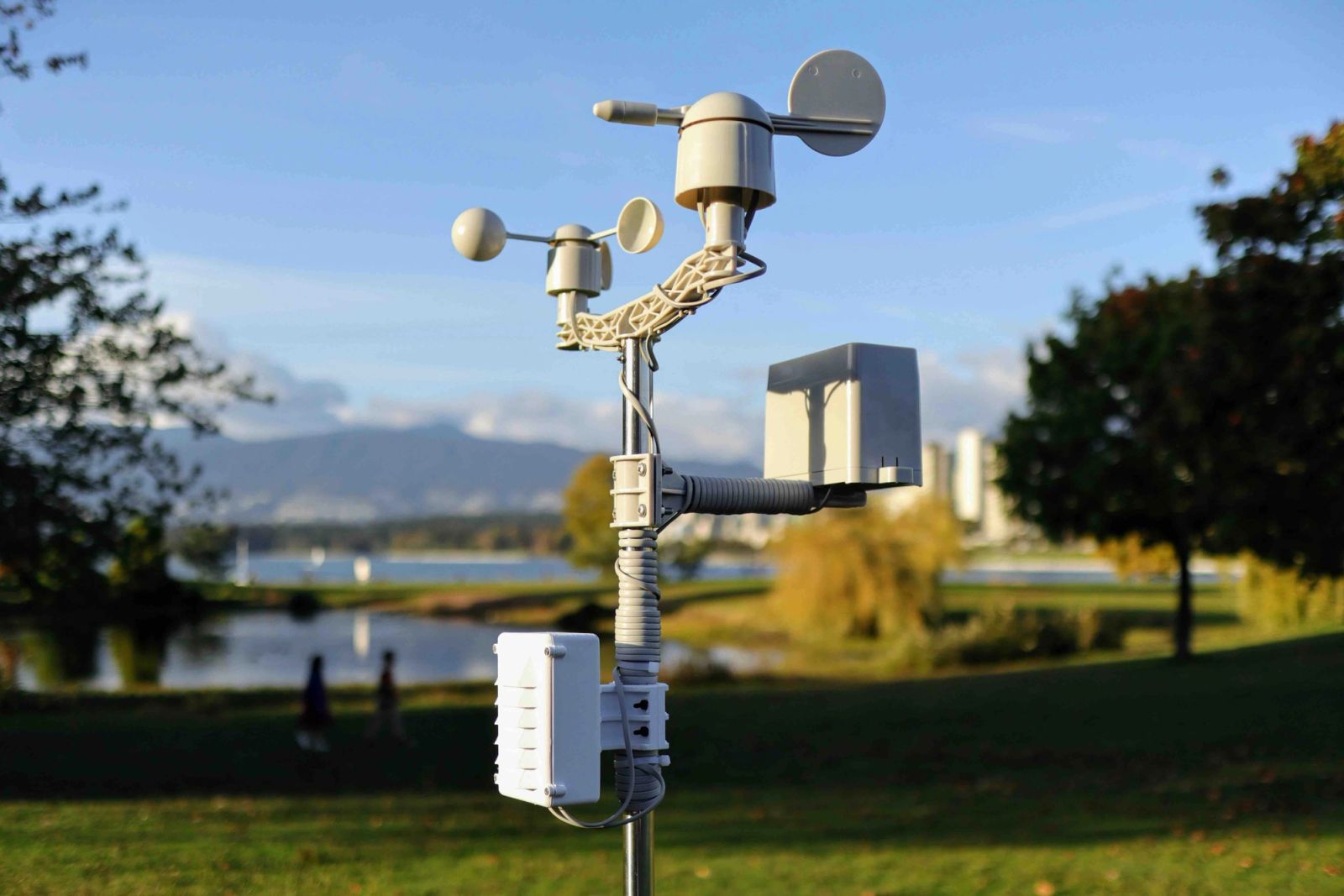
This is where continuous sensor data adds value. Soil moisture profiles, temperature trends and Vapour Pressure Deficit (VPD) provide a time-based view of the vineyard environment. They show direction and persistence – not just momentary states.
Importantly, these signals do not dictate action. They indicate that something is changing enough to warrant closer attention. A sustained drop in available water or a growing mismatch between atmospheric demand and soil supply are early warnings, not instructions. Well-designed systems treat these patterns as prompts to review, not triggers to intervene.
Space tells you where to focus
Once time-based data suggests that pressure is building, the next question is spatial: is this emerging uniformly, or in specific parts of the vineyard? This is where aerial imagery becomes the essential second step.
Indices such as NDVI (which tracks overall biomass) or NDRE (which is more sensitive to chlorophyll changes in dense canopies) do not diagnose problems; they reveal patterns. Imagery is most effective when used selectively to narrow the search.
If sensor trends indicate rising water stress, imagery helps identify which blocks or “sentinel” zones are expressing it first. If climatic conditions favour disease development, spatial patterns can guide attention towards areas where canopy structure or low-lying topography increases risk. In this role, imagery does not replace agronomic judgement – it directs it.
The field is where decisions are confirmed
Sensors and imagery reduce uncertainty, but they do not resolve it. The vineyard itself still provides the final evidence. Ground-truthing is what turns digital signals into grounded decisions.
This is where many digital systems fall short. They either attempt to automate decisions entirely, or they fail to meaningfully reduce the need for fieldwork. A practical approach sits between these extremes.
When signals indicate rising pressure and spatial data highlights likely areas of expression, field checks become purposeful. The grower knows where to look and what to look for. This targeted scouting determines whether the risk has crossed an economic threshold – the point at which the cost of intervention is justified by the potential loss in quality or yield.
Why monitoring is often the right outcome
One of the most important – and least visible – benefits of a connected system is confidence in restraint.
Early signals do not always justify immediate intervention. Many situations call for watchful waiting. Platforms that insist on constant “actionable recommendations” often encourage overreaction. By observing trends over time and validating them in the field, growers can distinguish between transient noise and meaningful change.
That distinction reduces unnecessary treatments, preserves resources, and supports more measured decision-making.
Moving beyond whole-vineyard decisions
Vineyards are rarely uniform. Differences in soil texture, exposure and vigour mean that pressure often expresses unevenly. Treating an entire block as a single unit is simple, but frequently inefficient.
Linking time-based trends with spatial patterns allows growers to focus attention more precisely. This does not require full automation or complex variable-rate systems. In many cases, it leads to modest but meaningful changes:
- checking specific blocks a few days earlier than scheduled
- delaying an irrigation cycle with data-backed confidence
- concentrating labour where it will have the most impact
Over a season, those small adjustments accumulate.
Conclusion: Supporting judgement, not replacing it
Effective digital viticulture is not about reacting faster; it is about reacting more selectively.
When continuous sensor data highlights emerging pressure, aerial imagery localises it, and ground-truthing confirms its significance, decisions become calmer and more deliberate. Attention shifts from the whole vineyard to the areas that genuinely warrant it. Intervention becomes proportional rather than precautionary.
This is the role Aurelia is designed to play: connecting time-based signals and spatial patterns into a practical workflow that sharpens judgement. Not prediction for its own sake, but better focus, better timing, and fewer surprises in the field.