
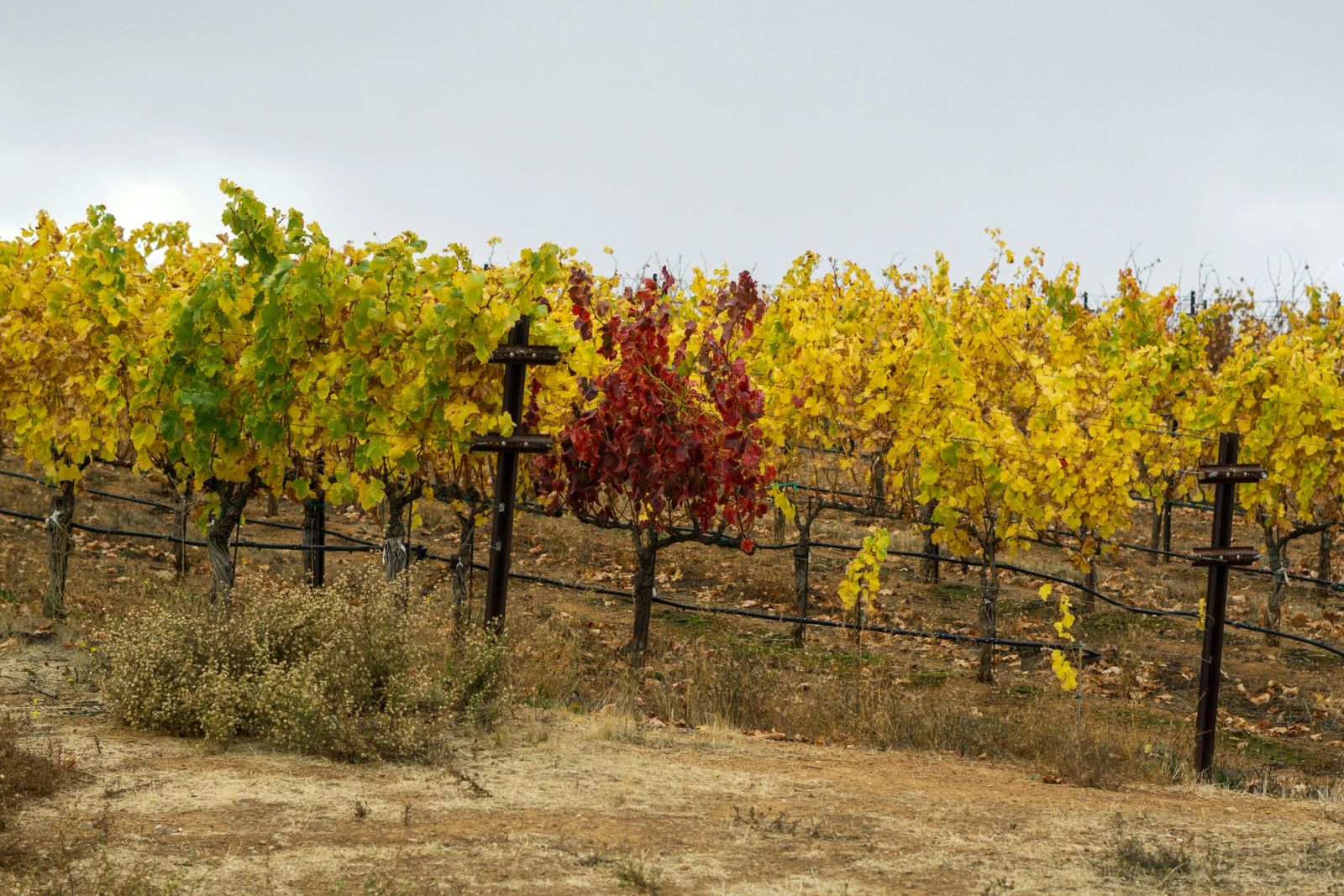
Autumn in the vineyard is a time of transition. Harvest is behind you, the canopy is coming down, and operations slow as vines move toward dormancy. For many growers, it’s also the best moment to think ahead - particularly about the data you’ll need to manage next season.
Soil probes are an investment but installing them in autumn gives you a head start. With vines at rest and soils still workable, you can install with minimal disruption and begin collecting data straight away. That means by the time growth begins again in spring, you already have a clear record of how rainfall has recharged the soil profile, how different layers drain, and how ready the vineyard is for a new season.
This post looks at why autumn setup makes sense, how to install probes properly, what the data gives you from day one, and how to make the most of your investment even if you only install a few units.
Why Autumn is the Ideal Time for Probe Installation
Autumn is the perfect moment to install soil probes. With harvest complete and vineyard workloads easing, it’s easier to schedule installation. Starting in autumn means your probes will capture the full winter recharge, providing a clear baseline of soil water reserves before budbreak. At Aurelia, we take care of the installation for you – a quick, non-disruptive process that ensures you’re ready with actionable data from day one of the new season.
Understanding the Investment
Soil profile probes deliver insights that can transform vineyard management helping you reduce costs, protect yields, and make smarter decisions with confidence. Even a single probe can highlight water availability, guide canopy choices, and prevent costly mistakes.
Some key points to keep in mind:
- Longevity: With proper installation and care, probes last many years, making them a long-term investment rather than a one-season cost.
- Coverage: Strategic placement means one probe can represent multiple hectares where soils and management are similar.
- Return on decisions: Avoiding one major compaction event, improving yield estimates, or reducing unnecessary passes can save far more than the cost of a probe.
- Perfect timing: Autumn is an ideal moment to start. Even trialling one or two units now provides a full season of data to demonstrate their value.
Installation Made Simple
The Sentek and Growpoint probes we use are profile probes designed for minimal disturbance. Installation requires only a drill and auger - no trenching and no large-scale excavation. That means:
- Fast installation: A probe can be placed in less than an hour by trained staff.
- Minimal soil disruption: Important in perennial crops where root systems are long-established.
- Accurate placement: Probes are installed vertically, reading moisture and temperature at multiple depths in one location.
Once installed, probes connect immediately to the cloud platform (IrriMax Live) via cellular link. There’s little to no calibration or “settling time.” Data begins flowing straight away, available for analysis on phone, tablet, or PC. For the grower, that means near-instant visibility: no waiting, no guesswork.
What You See from Day One
Even before spring growth, autumn and winter data is valuable. Probes reveal:
- Rainfall infiltration: Which layers receive winter rain and how quickly they fill.
- Drainage rates: How fast water leaves the profile after storms, highlighting soil structure and compaction issues.
- Baseline reserves: How much water is stored by the time vines break dormancy.
- Temperature profile: How soils cool and then warm again, helping forecast root activity in early spring.
By the time budbreak arrives, you’ll already know whether vines start the season with full reserves or face an early deficit.
Making the Most of Limited Numbers
Few growers will install probes across every block. Instead, the key is to place probes strategically where they provide the most insight. Some guidelines:
- Representative blocks: Choose soils and exposures that reflect larger areas of the vineyard.
- Problem blocks: If some areas consistently underperform, install there to uncover why.
- Decision-critical blocks: Install in high-value parcels where canopy and harvest timing matter most.
- Comparative pairs: In larger vineyards, a probe in a shallow soil block and another in a deeper one can highlight major differences.
With careful siting, even a small number of probes can inform management across the whole farm.
From Data to Action in the First Season
Once installed, probes provide insights that can pay off quickly:
- Field access decisions: Knowing how quickly soils drain after rain avoids costly compaction.
- Cover crop management: Monitoring uptake by depth shows when cover crops start competing directly with vines.
- Canopy choices: Tracking reserves helps decide whether to preserve leaves or trim back in dry spells.
- Harvest planning: Soil moisture trends feed into yield and quality forecasts.
Because data is uploaded automatically and visualised clearly in IrriMax Live, you can move straight from measurement to decision without additional complexity.
Integrating Soil Data with Other Sensors
Probes aren’t standalone tools. Linking them with weather and climate sensors builds a fuller picture:
- Rainfall vs infiltration: Weather stations show how much rain fell; probes show how much was stored.
- Humidity and temperature: Climate sensors explain vine demand, which combined with soil supply predicts stress.
- AI modelling: Over time, patterns emerge. Linking probe data with climate forecasts allows prediction of when stress will occur, not just confirmation after it happens.
Installing in autumn means that by the time spring arrives, you already have a multi-month baseline, making forecasts and models more reliable.
Addressing Common Concerns
Growers often raise similar questions when considering probes:
“Do I need one in every block?”
No. Start with one or two strategically placed probes to capture representative conditions. Add more over time if needed.
“Will installation damage vines?”
Not with profile probes. Installation is quick and minimally invasive.
“How soon will I see value?”
Immediately. Even the first winter’s data shows how soils recharge and drain - knowledge you can act on in spring.
“Isn’t this too technical?”
Data is visualised simply, with clear charts and app-based access. Farmers don’t need to be tech experts to use it.
Conclusion
Soil probes are valuable investment in the sustainability of your farm and installing them in autumn delivers maximum value, giving you a head start on the next season. The process is quick, minimally disruptive, and starts generating data immediately. By spring you’ll already know how soils have recharged, how fast they drain, and what reserves vines will start with.
Even with limited numbers, probes placed strategically can transform vineyard decision-making - from field access to canopy and cover crop management. Linked with climate data and AI, they provide foresight that repays the investment many times over.
Autumn is the time to act. A well-planned installation now is the foundation for smarter, more confident vineyard management next season.